
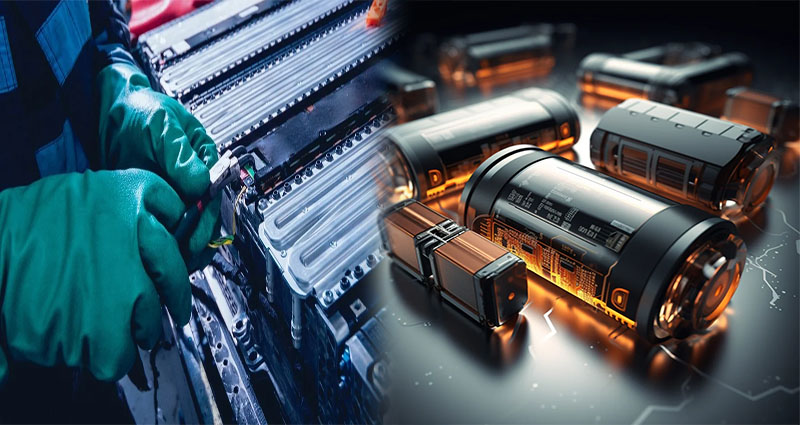
Breakthroughs in Lithium-Ion Battery Technology Revolutionizing Electric Vehicles
Lithium-ion batteries have long been the cornerstone of electric vehicle (EV) technology, providing the power and energy density needed to propel these sustainable vehicles on the road. Over the years, significant breakthroughs in lithium-ion battery technology have been achieved, revolutionizing the EV industry and pushing the boundaries of what electric vehicles can achieve in terms of performance, range, and affordability. These advancements have accelerated the adoption of EVs and are paving the way for a cleaner and greener future of transportation.
One of the key breakthroughs in lithium-ion battery technology is the improvement in energy density. Energy density refers to the amount of energy that can be stored in a battery per unit volume or weight. Higher energy density means that batteries can store more energy without increasing in size or weight, thus enabling EVs to travel longer distances on a single charge. Advances in lithium-ion battery chemistries, such as … READ MORE ...

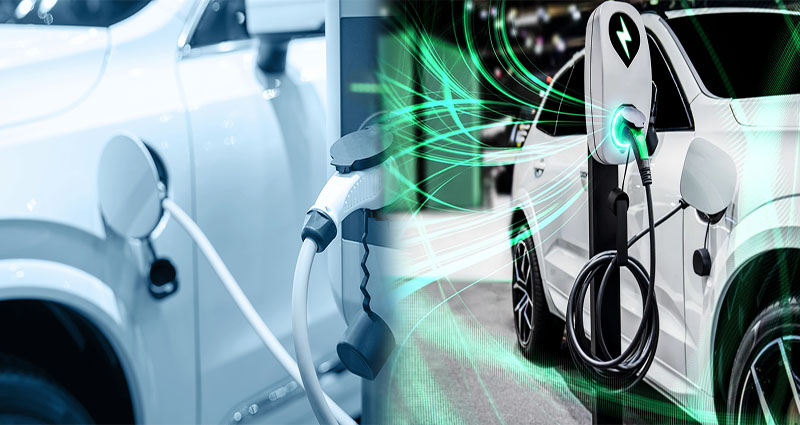
Vehicle-to-Grid Integration: Shaping the Future of Sustainable Transportation for Electric Vehicles
The emergence of electric vehicles (EVs) has paved the way for a greener and more sustainable future of transportation. As the world continues to embrace the shift towards electric mobility, vehicle-to-grid (V2G) integration is emerging as a key technology that takes EVs beyond being just means of transportation. V2G integration holds the potential to reshape the energy sector by enabling EVs to not only consume energy, but also to serve as mobile energy storage units that can give back power to the grid when needed. This revolutionary concept is set to have a profound impact on sustainable transportation and the overall electric grid infrastructure.
At its core, V2G refers to the bi-directional flow of electricity between EVs and the power grid. By enabling EVs to store and release electrical energy, V2G integration offers numerous benefits. Firstly, it enhances grid reliability by balancing demand and supply. By utilizing the battery capacities … READ MORE ...
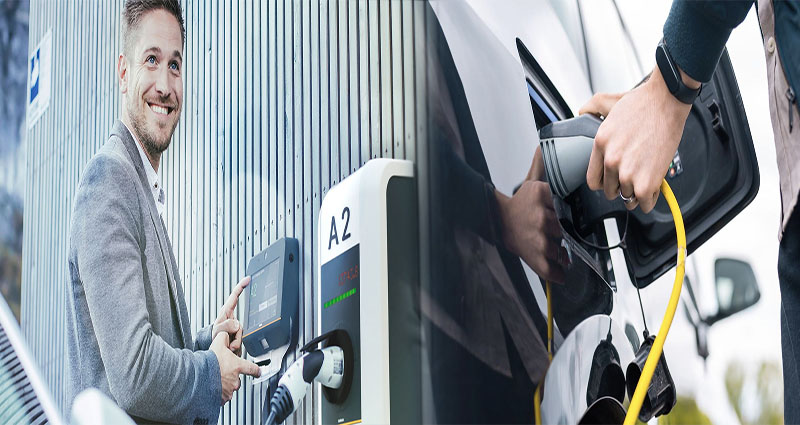
Building a Robust Charging Infrastructure for Electric Vehicles
The transition from traditional internal combustion engines to electric vehicles (EVs) is gaining momentum, spurred on by the collective commitment to reducing greenhouse gas emissions and combating climate change. As more consumers embrace electric vehicles, the need for a robust and widespread charging infrastructure becomes increasingly critical. In this article, we explore the importance of charging infrastructure for electric vehicles and the challenges and innovations involved in its development.
The Role of Charging Infrastructure
Charging infrastructure refers to the network of charging stations and infrastructure required to support the growth and adoption of electric vehicles. It is an essential component of the electric vehicle ecosystem, enabling convenient and accessible charging options for EV owners. The availability of a reliable and widespread charging infrastructure is crucial, as it addresses one of the primary concerns faced by potential electric vehicle buyers – range anxiety.
Challenges in Developing Charging Infrastructure
- Range Anxiety: Range

Regenerative Braking: Harnessing Energy Efficiency for Electric Vehicles
As the world makes a collective effort to combat climate change, the automotive industry has undergone a significant transformation towards greener and more sustainable transportation solutions. Electric vehicles (EVs) have emerged as a viable alternative to combustion engine vehicles, offering reduced emissions and a roadmap to a cleaner future. Key to the success and wider adoption of electric vehicles is the implementation of regenerative braking technology. In this article, we delve into the concept of regenerative braking and its impact on energy efficiency for electric vehicles.
Understanding Regenerative Braking
Regenerative braking is an innovative technology that allows electric vehicles to recover and store energy that would otherwise be dissipated as heat during braking. Traditionally, in internal combustion engine vehicles, kinetic energy is lost when the brakes are applied, resulting in wasted energy. In contrast, regenerative braking system in electric vehicles captures this energy and converts it into usable electricity, which … READ MORE ...
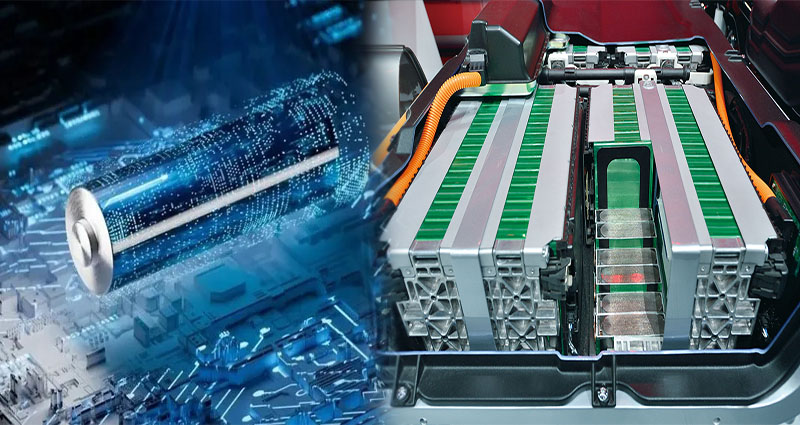
Innovations in Battery Efficiency for Electric Vehicles
As the world continues to grapple with the challenges posed by climate change, the need for sustainable transportation options has become more pressing than ever. Electric vehicles (EVs) have emerged as a promising solution, offering reduced emissions and a path towards a greener future. Central to the success of EVs is battery efficiency, with advancements in this field driving the widespread adoption of electric vehicles. In this article, we explore the innovative technologies and developments revolutionizing battery efficiency for electric vehicles.
The Importance of Battery Efficiency
The battery is the heart of an electric vehicle, dictating its range, performance, and overall attractiveness to consumers. Improving battery efficiency has a direct impact on extending the distance an EV can travel on a single charge and reducing the time required to recharge. Enhanced battery efficiency also contributes to the longevity and reliability of electric vehicle batteries, which in turn influences their resale … READ MORE ...