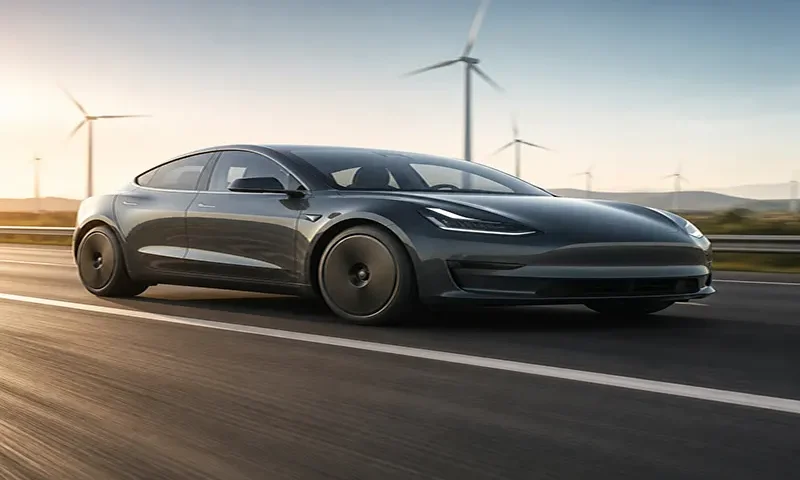

The Digital Squeeze: Optimizing Hybrid ECU Mapping for Peak Efficiency and Kinetic Recovery in 2026
In the automotive engineering landscape of 2026, the mechanical limits of internal combustion engines (ICE) and electric motors (e-motors) have largely stabilized. The true frontier of performance now lies in the Vehicle Control Unit (VCU) and Electronic Control Unit (ECU). Optimization has moved beyond simple power increases; it is now a game of Energy Management Strategy (EMS)—the sophisticated orchestration of when, how, and where energy is deployed or harvested.
By leveraging 2026 standards in Software-Defined Powertrains, engineers can now recalibrate hybrid systems to achieve fuel savings of 15% or more while simultaneously enhancing regenerative braking recovery through advanced algorithm mapping.
1. The Shift to Optimization-Based Control
For years, hybrid ECUs operated on rule-based “If-Then” logic (e.g., If speed < 20mph AND battery > 30%, use EV mode). In 2026, these rigid rules have been replaced by Equivalent Consumption Minimization Strategies (ECMS) and Deep Reinforcement Learning (DRL)… READ MORE ...