Seeing is Believing: Why 2026’s Top Auto Repair Shops Prioritize Digital Photo and Video Updates

The “Trust Gap” in auto repair has been a multi-generational hurdle. For decades, the relationship between a mechanic and a vehicle owner was built on a foundation of opaque explanations and handwritten estimates that often left customers wondering if they were truly paying for a necessity or an “upsell.”

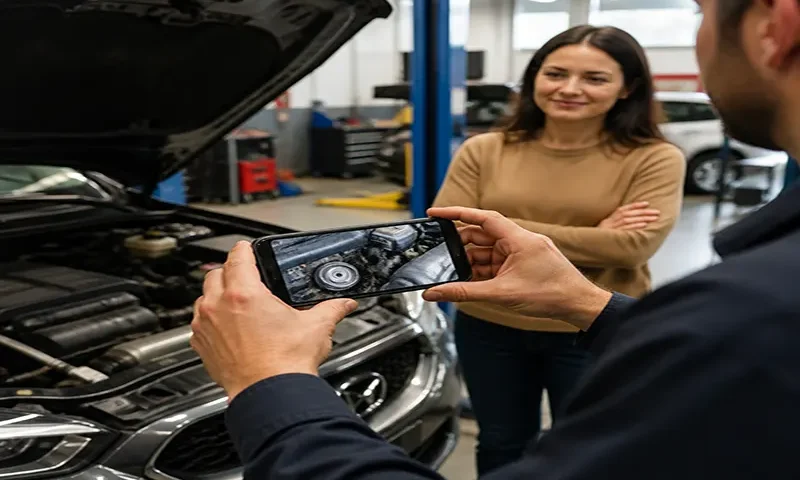
As we cross into mid-2026, that era of uncertainty is officially over. The professional standard has shifted from “taking their word for it” to seeing the evidence in high-definition. Digital Vehicle Inspections (DVIs)—complete with 4K video walk-throughs and annotated photos—have become the new baseline for any shop serious about customer loyalty and operational efficiency.

1. The Anatomy of a 2026 Digital Vehicle Inspection (DVI)

A modern inspection no longer begins with a clipboard. In 2026’s leading shops, the process is mobile-first and data-driven:

  • The 360° Digital Walkaround: Using tablets equipped with specialized DVI software like Tekmetric or AutoVitals, technicians
READ MORE ...
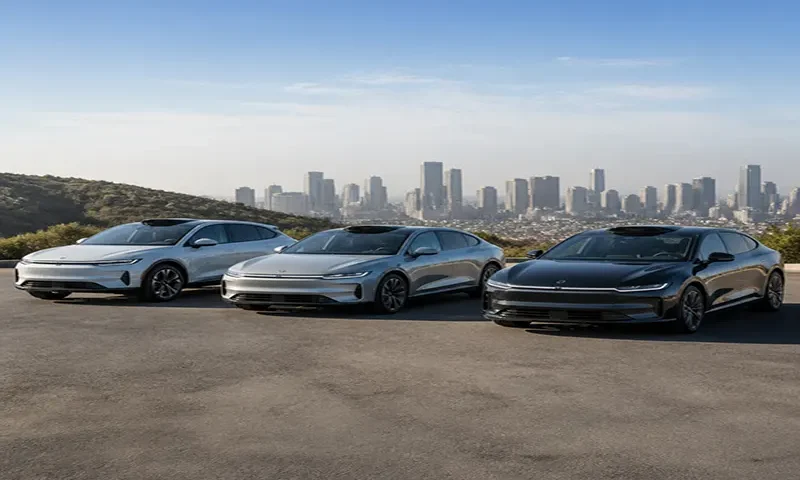
Cars with level 3 autonomous driving features available for purchase 2026

As of May 2026, if you are looking to purchase a vehicle that legally allows for “Eyes-Off” driving, the options are highly specialized and geofenced.

1. Mercedes-Benz: The Global Leader

Mercedes-Benz remains the primary manufacturer offering a certified Level 3 system to consumers, though the specific features available depend heavily on your location.

  • DRIVE PILOT (Level 3)
    • Available on: S-Class and EQS Sedan.
    • Capability: In Nevada and California, DRIVE PILOT allows for hands-free, eyes-off driving in heavy highway traffic at speeds up to 40 mph. In Germany, an updated version supports speeds up to 81 mph (130 km/h).
    • The 2026 Pivot: Interestingly, for the 2026 U.S. facelift of the S-Class, Mercedes has shifted toward MB. Drive Assist Pro (Level 2++). This system requires driver attentiveness (Eyes-On) but operates across more states and managing complex urban scenarios, as the brand recalibrates the high cost of Level
READ MORE ...
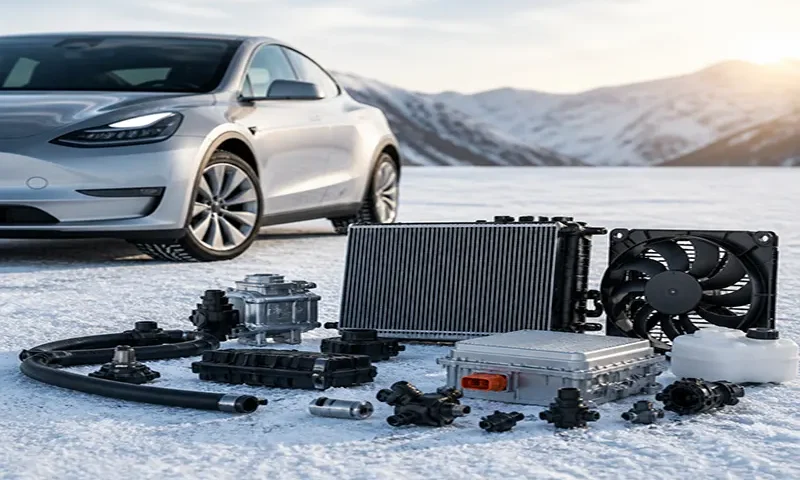
Winter Resilience: A Guide to EV Thermal Management System Replacement Parts in Cold Climates

As the electric vehicle (EV) market matures in 2026, the industry has shifted its focus from simple range extension to resilient engineering optimization. For drivers in cold climates, the Thermal Management System (TMS) is no longer a hidden background process; it is the single most critical factor for winter range and battery longevity.

The following guide details the specific replacement parts, engineering standards, and maintenance protocols required for EV thermal systems as they navigate the sub-zero challenges of 2026.

1. The Thermal Challenge: The “Goldilocks Zone”

Batteries are essentially chemical engines that perform best in a “Goldilocks Zone” of 15°C to 25°C. When ambient temperatures drop below freezing, internal resistance increases, and the chemistry becomes sluggish. In legacy EVs, this was countered by resistive heating—essentially a massive toaster element that drained up to 7kW of power.

In 2026, we have moved toward integrated heat pump loops. Instead … READ MORE ...

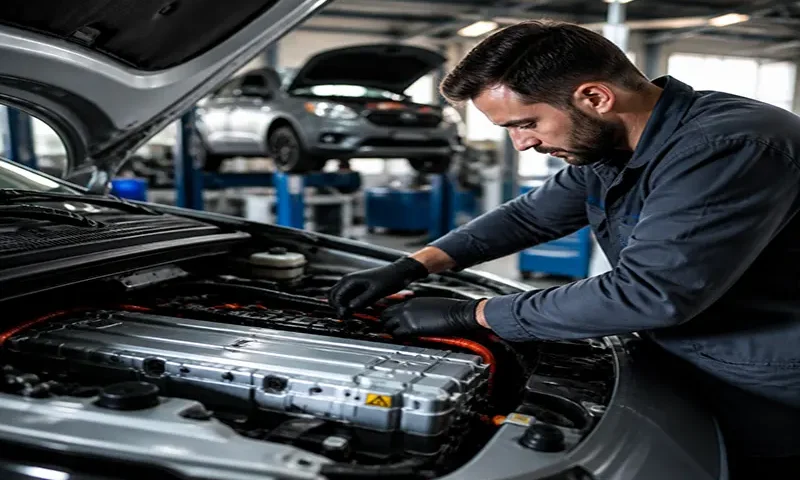
Restoring the Pulse: Finding the Best Local Mechanics for Hybrid Battery Conditioning and Cooling System Repair

In the automotive landscape of 2026, the “Red Triangle of Death” or a “Check Hybrid System” light is no longer a signal to scrap your vehicle. As hybrid technology has matured, a robust secondary market of independent specialists has emerged, offering alternatives to the high-cost “replace-only” culture of dealerships.

For the modern hybrid owner, maintaining the high-voltage (HV) system is a game of temperature and chemistry. Understanding how to find the right local expert for battery conditioning and cooling system repair can extend your vehicle’s lifespan by 5–7 years while saving you thousands in unnecessary hardware replacements.

1. The Longevity Paradox: Conditioning vs. Replacement

One of the most persistent myths in 2026 is that a hybrid battery is a single, monolithic part that fails all at once. In reality, a hybrid pack is a collection of individual modules. Over time, these modules drift out of balance—some overcharging while others underperform.… READ MORE ...