
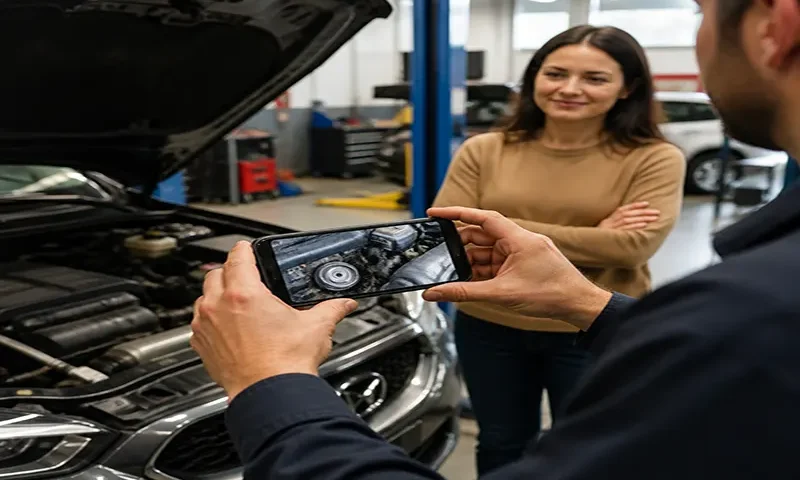
The “Trust Gap” in auto repair has been a multi-generational hurdle. For decades, the relationship between a mechanic and a vehicle owner was built on a foundation of opaque explanations and handwritten estimates that often left customers wondering if they were truly paying for a necessity or an “upsell.”
As we cross into mid-2026, that era of uncertainty is officially over. The professional standard has shifted from “taking their word for it” to seeing the evidence in high-definition. Digital Vehicle Inspections (DVIs)—complete with 4K video walk-throughs and annotated photos—have become the new baseline for any shop serious about customer loyalty and operational efficiency.
1. The Anatomy of a 2026 Digital Vehicle Inspection (DVI)
A modern inspection no longer begins with a clipboard. In 2026’s leading shops, the process is mobile-first and data-driven:
- The 360° Digital Walkaround: Using tablets equipped with specialized DVI software like Tekmetric or AutoVitals, technicians perform a comprehensive sweep of the vehicle. They capture high-resolution photos of everything from a 2mm tire tread variance to the subtle “play” in a ball joint.
- Narrated Video Updates: Technicians now record 60-second video snippets. Instead of a vague note about “worn brakes,” you receive a video showing the exact thickness of your pads next to a new one, with the technician explaining the safety implications in plain language.
- AI-Assisted Diagnostics: Many shops now utilize “Digital Gates”—AI-driven inspection arches that scan for underbody damage and alignment issues in seconds as the car drives into the bay. The AI automatically circles leaks or rust in the photos, making the issue glaringly obvious even to a non-expert.
2. Benefits for the Vehicle Owner: Transparency in Your Pocket
The shift to digital is, first and foremost, an educational tool for the consumer. It empowers you to make informed decisions without feeling pressured over a phone call.
- Remote Review & Tap-to-Approve: You receive a text or email link containing the full report. You can review the photos and videos from your desk or home, compare the “Urgent” vs. “Recommended” tasks, and approve repairs with a single tap.
- The “Digital Twin” Record: Every DVI creates a permanent “State of Health” (SoH) record for your car. If you decide to sell your vehicle in the future, having a three-year history of time-stamped digital inspections significantly boosts its resale value.
- Eliminating the Mystery Alert: Modern DVIs translate complex fault codes into plain-language guidance. If a “check engine” light is on, the DVI shows you the specific sensor involved and a video explanation of what that part does for your car.
3. Why Shops are Making the Switch: The Bottom Line
Shops aren’t just doing this for “good vibes”—digital transparency is a massive driver of business growth in 2026.
| Metric | Paper Inspection (Legacy) | Digital Inspection (2026) |
| Evidence | Technician’s Word | HD Photos & 4K Video |
| Avg. Repair Order (ARO) | ~$610 | ~$740+ (20%+ Increase) |
| Approval Time | Hours (Phone Tag) | ~32 Minutes (Mobile Link) |
| Customer Retention | 45% – 50% | 70%+ (Due to Trust) |
| Data Tracking | Manual/None | Real-time Engagement Metrics |
Shops using platforms like Bolt-On Technology report an average 39% increase in repair order amounts. When a customer sees the rusted exhaust manifold or the torn CV boot, they are nearly 50% more likely to approve the repair because the “fear factor” of being cheated is removed.
4. What to Look for in a Modern Shop
If you are looking for a new mechanic this year, their digital presence is the best indicator of their professionalism. A top-tier 2026 shop should offer:
- 100% Visual Reports: They should send photos of what is right with your car as well as what is wrong. Seeing a photo of a clean air filter builds as much trust as seeing a dirty one.
- Mobile-First Communication: If the shop still requires you to call back for an update, they are behind the curve. Look for “Tap-to-Approve” functionality and SMS-integrated payments.
- Declined Job Tracking: Great shops save your “declined” photos and will send you a follow-up 3–6 months later to see if you’re ready to address those non-critical issues, keeping your car’s long-term health in focus.
The Foundation of Loyalty
In 2026, transparency isn’t just a marketing “extra”—it is the foundation of automotive service. A shop that refuses to provide visual proof is essentially asking you to trust them with your safety and your wallet blindly. By choosing a shop that utilizes high-definition digital updates, you aren’t just getting a repair; you’re getting an education and the peace of mind that comes from seeing the truth for yourself.

